

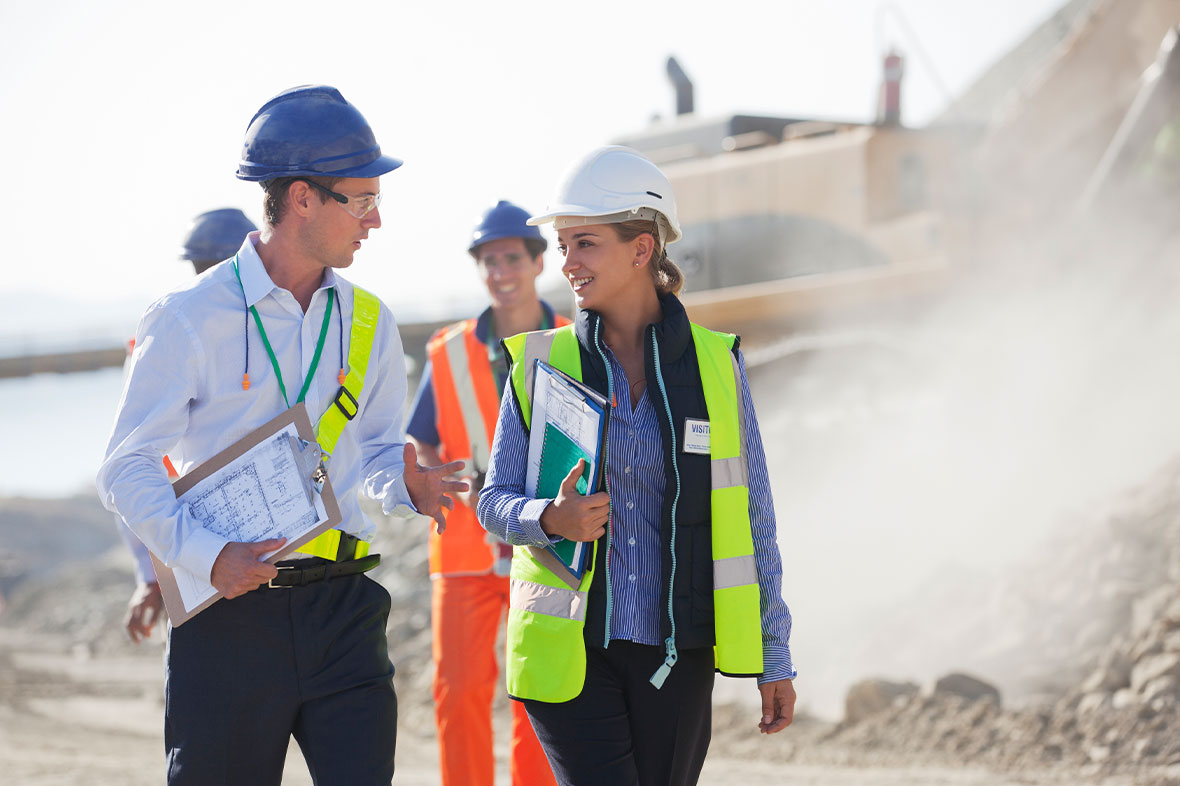
Construction sites in San Diego are some of the most dynamic—and dangerous—workplaces in California. With cranes lifting tons of material, crews working on elevated platforms, and electrical systems being installed, one small mistake can lead to devastating consequences. Falls, electrocutions, and equipment failures don’t just cause injuries; they can upend a worker’s life and leave families facing financial hardship, trauma, and uncertainty.
If you’ve been injured in such circumstances, it’s critical to understand the safety regulations in effect and whether your employer or contractor violated them. Employers and site managers have a legal duty to protect the people who keep construction projects moving. At Artemis Law Group in San Diego, we help injured workers and their families make sense of these regulations, identify who is responsible, and explore legal options for recovery. This article explains key safety requirements and your rights under California and federal law.
Fall Protection Requirements
Falls are the leading cause of construction fatalities nationwide, which is why fall protection rules are strictly enforced. Under OSHA’s federal standard 29 CFR Part 1926, Subpart M, employers must install guardrails, safety nets, or fall arrest systems when workers are exposed to heights of six feet or more. Employers also have a duty to ensure scaffolds are secure and workers are trained to use harnesses correctly. In California, Cal/OSHA supplements these federal standards with additional requirements. If your employer fails to comply, they can be held legally liable for resulting injuries.
Electrical Safety Standards
Electricity poses another major risk on construction sites. OSHA’s Subpart K obligates employers to provide ground-fault circuit interrupters (GFCIs), ensure proper equipment grounding, and train employees in electrical safety practices. Even minor oversights, such as failing to inspect cords or outlets, can lead to deadly shocks. California’s stricter Cal/OSHA standards give injured workers a strong legal foundation for holding negligent parties accountable.

Hazard Communication Rules
Construction often involves hazardous materials such as paints, solvents, and adhesives. Under OSHA’s Hazard Communication Standard (29 CFR 1910.1200), employers must label chemical containers, maintain safety data sheets, and train employees about potential risks. Ignoring these requirements can expose workers to burns, respiratory illnesses, or long-term health problems. In legal terms, failure to meet these standards is a breach of an employer’s duty to protect its workers.
Personal Protective Equipment (PPE) Obligations
Federal and state law require employers to provide appropriate personal protective equipment (PPE) and ensure it’s properly maintained. Hard hats, steel-toed boots, ear protection, gloves, and safety goggles are all standard examples. Employers cannot shift the cost or responsibility for PPE to workers. If you were injured because your employer failed to provide or maintain proper PPE, you may have grounds for a negligence claim under both OSHA and Cal/OSHA laws.
Training and Education Requirements
Training is just as important as equipment in maintaining safety. OSHA requires that workers receive orientation training when they begin a job, as well as regular refreshers and weekly “toolbox talks.” These sessions cover hazard recognition, emergency response, and the safe use of equipment, such as operating a crane. If an employer failed to train you properly, it can become a powerful point in proving negligence during a legal claim.
Daily Safety Inspections and Practices
Safety isn’t a one-time effort; it must be reinforced daily. Employers are expected to conduct regular inspections, hazard assessments, and safety meetings. California law also mandates a written Injury and Illness Prevention Program (IIPP), which requires employers to identify and address risks before accidents occur. Maintaining daily checklists, posting clear signage, and promptly correcting hazards are not just good practices; they’re legal requirements.
Hazard Identification and Corrective Measures
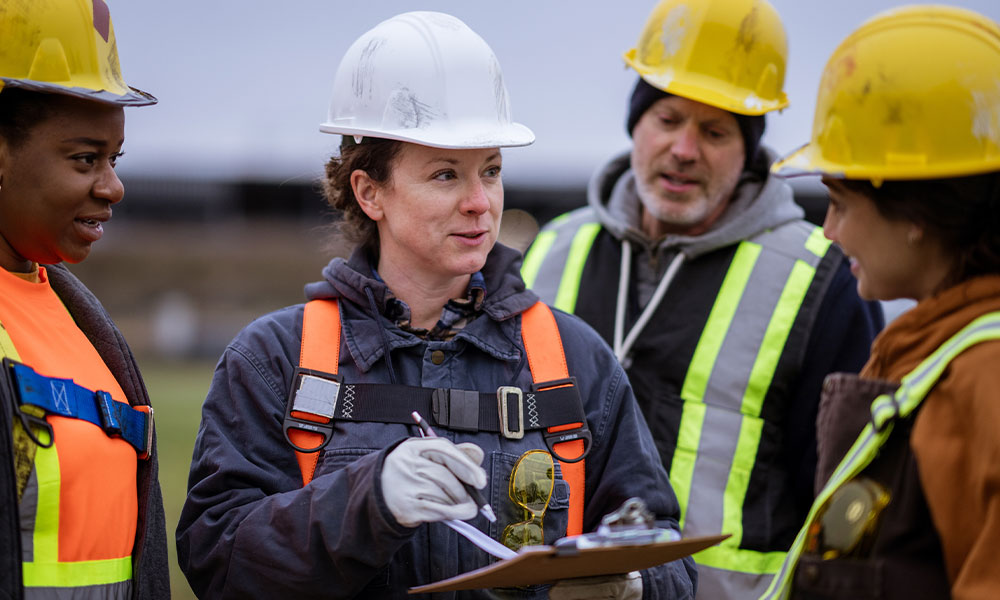
Employers are legally obligated to identify hazards and take corrective actions before accidents happen. This can mean reinforcing scaffolds, redesigning workflows, or requiring additional PPE. When hazards are known but ignored, OSHA and Cal/OSHA can impose penalties, and injured workers may pursue civil lawsuits. Demonstrating that an employer knew about a danger but failed to act can be pivotal in litigation.
OSHA and Cal/OSHA Inspections
In San Diego, both OSHA and Cal/OSHA inspectors conduct regular site visits, often without notice. Employers must maintain current safety records, training certifications, and inspection logs. Violations can lead to hefty fines, stop-work orders, or even criminal charges in severe cases. For injured workers, inspection reports documenting safety lapses can serve as compelling evidence in a legal claim.
Legal Consequences of Non-Compliance
The penalties for failing to comply with OSHA and Cal/OSHA are steep. In 2023, fines ranged from $15,625 per serious violation to over $156,000 for repeated or willful violations. Beyond the fines, non-compliance can damage reputations, delay projects, and lead to lawsuits. For workers, this means that if you’ve been injured on a construction site due to safety lapses, the law offers a path to recover compensation, not just for medical bills, but also for lost income, pain, and suffering.
Protecting San Diego Construction Workers
Construction sites in San Diego are governed by a strong framework of safety regulations designed to prevent life-threatening accidents. If you or someone you care about has been injured on a job site, understanding these rules is crucial to protecting your rights. At Artemis Law Group, we’re dedicated to helping injured workers hold negligent parties accountable and pursue the justice and compensation they deserve. Contact us today to get started.