


You notice a small crack running along the wall of your Los Angeles property. Months later, it has widened, doors no longer close properly, and you discover signs of foundation movement. What initially seemed cosmetic may actually point to defective design, materials, or workmanship, and repairs could become increasingly expensive.
When you discover a potential construction defect, acting promptly matters. California imposes different filing deadlines depending on the defect, when it became apparent, and the legal basis for your claim. Waiting too long could prevent you from pursuing an otherwise valid case. At Artemis Law Group, our construction attorneys help Los Angeles property owners navigate these requirements. Here are several important timelines you should understand.
Four years for patent construction defects
A patent defect is generally a construction problem that is apparent or discoverable through reasonable inspection. Under California law, actions involving patent deficiencies in the design, surveying, planning, supervision, observation, or construction of improvements to real property generally must be brought within four years after substantial completion of the improvement.
If you notice an obvious construction problem at your Los Angeles property, you should not assume you have years to decide what to do. Determining when substantial completion occurred and which deadline applies can require a careful review of your project.
Ten years for latent construction defects
Some construction defects remain hidden long after a project is completed. These are known as latent defects and may include problems involving foundations, waterproofing, structural components, or aspects of construction that are not reasonably apparent upon inspection.
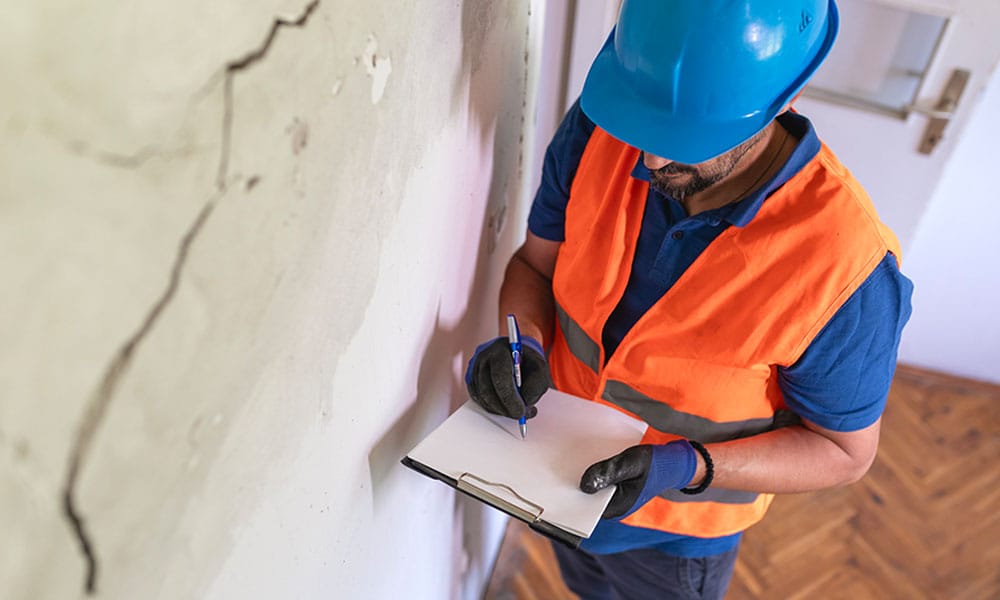
California generally imposes a 10-year outside limit from substantial completion for certain claims arising from latent construction defects. However, this does not necessarily mean you can always wait 10 years after discovering a problem. Other statutes of limitations may create an earlier filing deadline depending on your claim.
Four years for breach of a written contract
Your construction defect case may also involve a breach of contract. For example, a contractor may have failed to perform work according to the requirements contained in your written construction agreement.
In California, you generally have four years from the date a written contract is breached to file a breach-of-contract lawsuit. Because determining when the breach occurred is not always straightforward, having your contract and project history reviewed promptly can help you understand your actual deadline.
Two years for breach of an oral contract
Not every agreement involving construction work is written. If your claim arises from the breach of an oral agreement, California may provide a shorter filing period: two years from the breach.
This can make prompt action crucial. Oral agreements can also create evidentiary challenges, so preserve invoices, receipts, emails, text messages, photographs, and other records that may help establish what you and the other party agreed to.

Three years for property damage claims
A construction defect may cause damage beyond the defective work itself. Water intrusion, structural failures, drainage problems, or faulty construction can damage other portions of your Los Angeles home or commercial property.
California generally provides three years to bring an action for injury to real or personal property. When damage was not immediately discoverable, determining when the limitations period began can become more complicated.
Speak with Artemis Law Group about your filing deadline
Construction defect deadlines in California can overlap, and the correct timeline depends on the specific facts and legal claims involved. You should therefore avoid assuming that the longest possible deadline applies to your case.
Artemis Law Group helps property owners and other clients in Los Angeles and throughout California evaluate construction defects, identify potentially responsible parties, and determine their legal options. If you have discovered a possible defect, schedule a consultation with Artemis Law Group to understand the deadlines that may apply to your claim.