

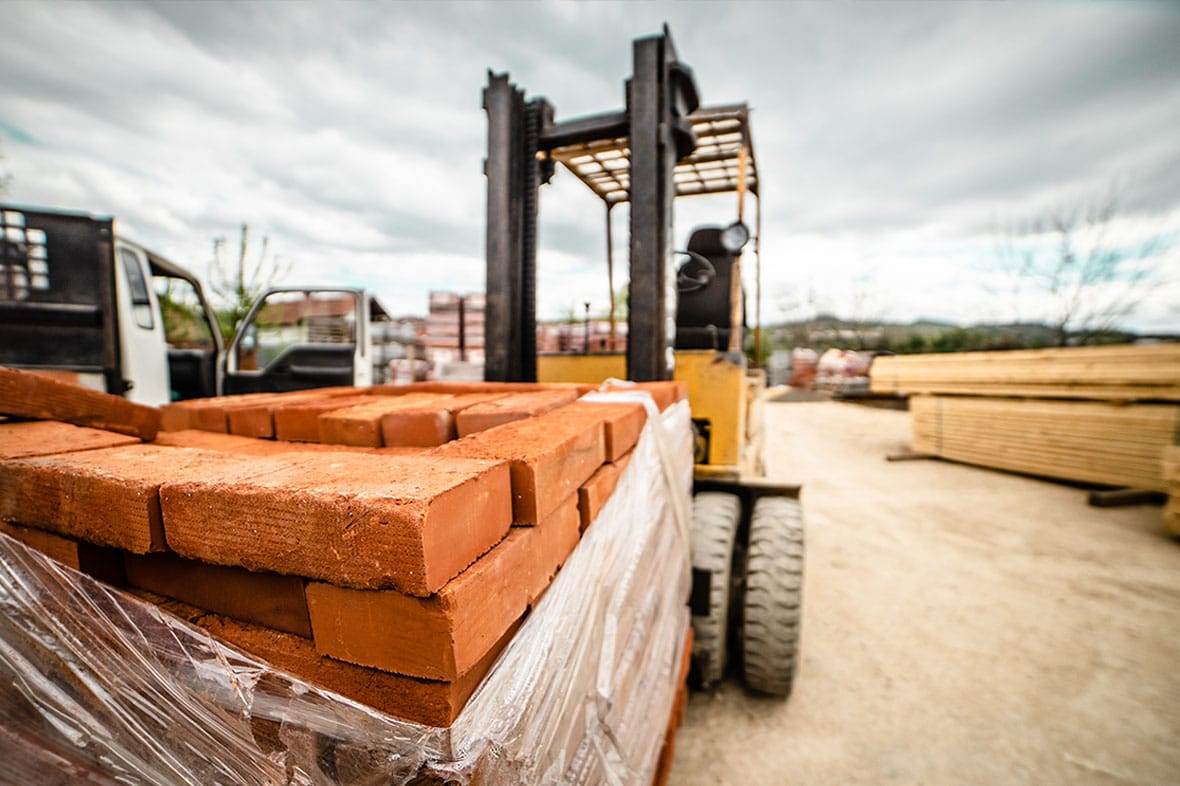
Picture this: you’re midway through a shift at a construction project near downtown San Diego when a forklift hauling rebar or lumber loses balance, clips a scaffold, or strikes a coworker. One moment changes everything. Now you’re dealing with hospital visits, lost paychecks, and insurance adjusters asking questions, all while trying to figure out who’s actually accountable for what happened.
At Artemis Law Group, we work with injured workers and bystanders across San Diego County, helping them sort through the layers of responsibility that often follow a forklift incident on an active jobsite.
Who might be held responsible for a San Diego forklift accident?
These construction accidents rarely trace back to a single cause. Workers’ compensation might cover some of your losses, but it doesn’t always tell the full story, especially when a third party’s negligence played a role. Identifying every contributing party matters because it can open the door to additional avenues for compensation.
Depending on the circumstances, responsibility could fall on:
- A forklift operator who handled the machine carelessly or recklessly
- A general contractor that allowed unsafe conditions to persist on-site
- A subcontractor whose crew operated equipment without proper oversight
- A maintenance vendor that failed to service the forklift correctly
- A manufacturer whose defective part or design caused the malfunction
- A property owner who didn’t address known site hazards
- A rental company that leased out faulty or poorly maintained machinery
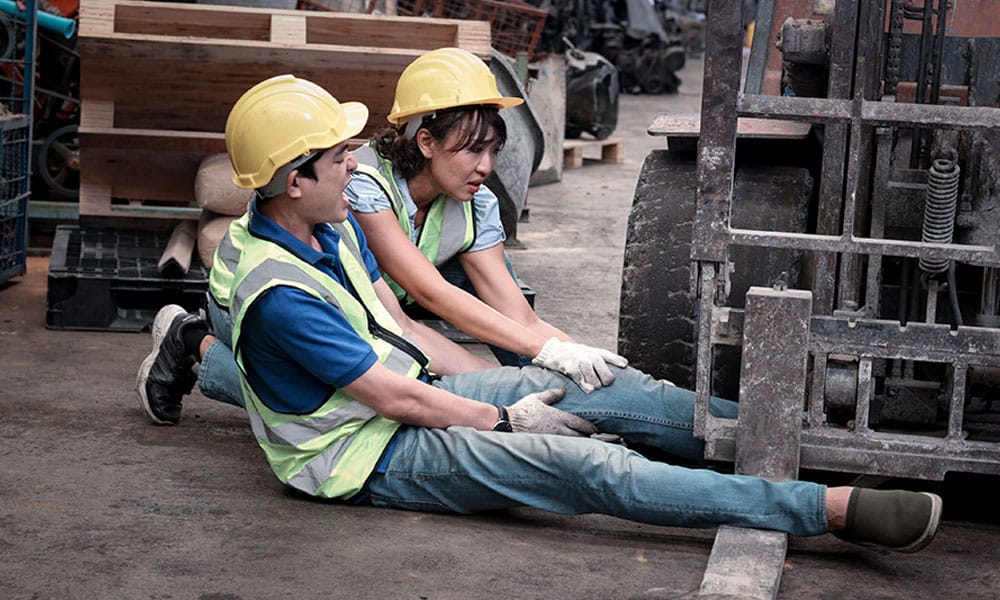
How fault gets pieced together after a forklift incident
Start with the physical evidence
The first step is locking down what the scene actually showed. Photos, video from site cameras, the position of equipment and debris, and statements from anyone nearby all help reconstruct the sequence of events. Because construction sites are constantly shifting, materials get moved, debris gets cleared, work continues, evidence has a short window before it disappears or gets altered.
Dig into the forklift’s service history
A forklift that isn’t properly maintained becomes a liability risk fast. Pulling maintenance logs, repair tickets, and past inspection paperwork can reveal whether something like a hydraulic leak, worn brake system, or skipped service interval set the stage for the accident. When equipment failure is the root cause, the company or vendor responsible for upkeep may share in the liability.
Check the operator’s qualifications
Not everyone behind the wheel of a forklift has been trained to the standard the job requires. Certification records, training documentation, and internal safety policies help establish whether the operator was qualified and whether the site enforced its own safety rules. Gaps here, missing certifications, skipped refresher training, ignored protocols, often become central to a fault determination.
Look at how the jobsite itself was run
San Diego construction projects, particularly larger commercial or multi-trade builds, typically involve a mix of general contractors, subs, and independent operators all working in close proximity. Part of the investigation involves asking whether the site had clear equipment paths, whether traffic was properly managed, and whether known hazards were flagged and addressed. A poorly coordinated site raises the odds of a forklift collision regardless of how careful any individual operator was.
Consider whether the equipment itself was defective
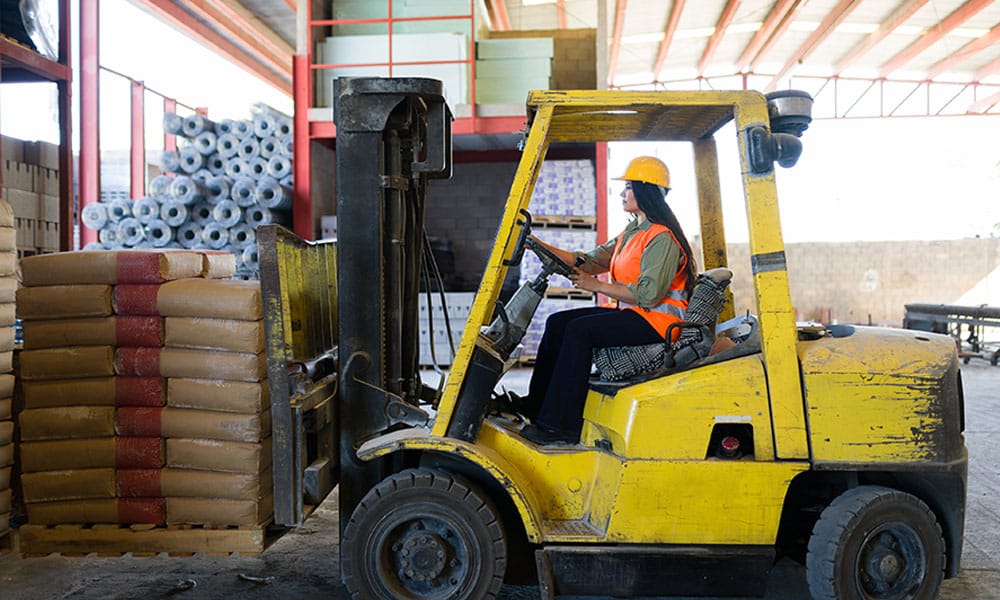
Sometimes the problem isn’t the operator or the site, it’s the machine. An investigation may need to look at whether a part failed under normal use, whether a safety feature was missing or disabled, or whether the model has a history of similar issues or recalls. When a product defect is suspected, manufacturer records and engineering analysis become key.
Cross-reference safety regulations
Cal/OSHA and federal standards set specific requirements for forklift training, inspection schedules, and hazard controls. Comparing what actually happened on-site against these requirements can surface violations that, while not automatically proving liability on their own, often serve as strong supporting evidence in a broader fault analysis.
Bring in outside perspective
Coworkers and bystanders who witnessed the accident can offer details that aren’t captured anywhere else, how fast the forklift was moving, whether a warning signal sounded, what the operator’s line of sight looked like. For more complicated cases, accident reconstruction experts can model the incident using physical evidence and industry data to pinpoint exactly where things went wrong.
Getting the full picture matters
A forklift accident on a construction site rarely has one tidy explanation. Multiple companies, multiple safety obligations, and overlapping responsibilities mean that a surface-level review often misses parties who should be held accountable. Taking the time to investigate thoroughly can directly affect how much compensation you’re able to recover.
Artemis Law Group represents injured workers and accident victims throughout San Diego and the broader Southern California region. We focus on building a clear, evidence-backed picture of what happened so your rights are protected at every step. If you’ve been hurt in a forklift accident and have questions about who may be liable, reach out to schedule a case review.