

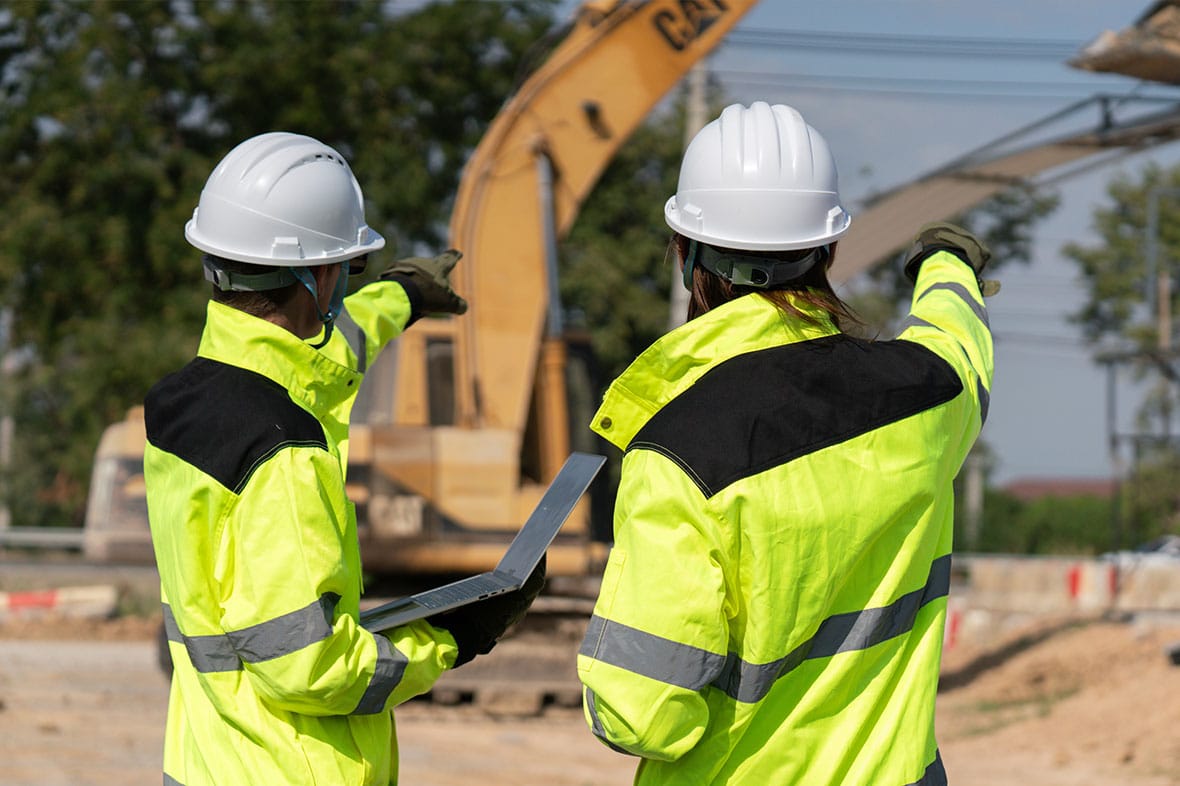
You show up to your construction job in Los Angeles, ready to do the work you’ve been assigned. Maybe you’re handed a piece of equipment you’ve never used before, or you’re told to assist with a task you’ve never been trained to perform. You do your best, relying on instinct and what you’ve seen others do, but one wrong move, one overlooked hazard, or one missing piece of instruction can change everything in an instant.
At Artemis Law Group, we’ve seen how quickly a preventable injury can derail your health, income, and even your future. This article explains why poor training is such a serious problem on construction sites across Los Angeles, what inadequate training really looks like, and how our team proves that an employer’s negligence is to blame.
What constitutes poor training in construction sites in LA?
On a jobsite as complex as a Los Angeles construction project, safety training cannot be optional, informal, or outdated. You should know how to identify hazards, operate equipment safely, and respond to emergencies before you’re ever put in harm’s way. When employers cut corners or rush the onboarding process, they create conditions that make injuries inevitable.
To help you understand what inadequate training looks like, here are some of the most common failures we observe on local job sites. These are indicators that an employer has not upheld their safety responsibilities. These gaps often fall into clear categories, such as:
- No explanation of safety procedures, emergency plans, or evacuation protocols
- Outdated materials or incomplete instruction that leaves critical safety steps out
- No hands-on training for machinery, tools, or hazardous materials
Rushed onboarding or assigning new workers to unqualified supervisors

Why lack of proper training leads to preventable construction injuries
Machinery misuse due to missing hands-on instruction
Construction equipment, such as forklifts, cranes, scissor lifts, drills, saws, compactors, and heavy machinery, requires precise training. If you’re never taught how to recognize a malfunction, how to secure a load, or how to avoid pinch points, the risk of injury skyrockets. Many of the crush injuries, amputations, and entanglement incidents we investigate stem directly from workers being placed on equipment they were never qualified to operate.
Falls from ladders, scaffolds, and elevated platforms
Los Angeles construction sites often involve multi-level structures, tight urban spaces, and elevated work zones. Without thorough training on ladder placement, scaffold stability, body positioning, anchor points, and fall protection gear, you are exposed to severe and preventable dangers. Falls remain one of the leading causes of construction fatalities, and in most cases, they can be traced back to a lack of safety procedures that could have stopped them.
Electrical injuries from improper lockout/tagout training
Electrical systems are everywhere: temporary wiring, exposed circuits, generators, and unfinished structures. Without training on lockout/tagout procedures, grounding, and equipment shutdown, you may expose yourself to live energy sources. Electrocution and arc-flash injuries often occur when workers are told to perform tasks without being informed of the electrical hazards involved.
Chemical exposure from a lack of hazard communication
Whether you work with concrete treatments, industrial cleaners, paints, adhesives, or fuels, you must understand how to store, mix, ventilate, and protect yourself from hazardous substances. When employers fail to provide hazard communication training, workers may inhale toxic fumes, suffer chemical burns, or develop long-term respiratory problems. Proper PPE use, SDS (Safety Data Sheet) explanation, and ventilation requirements should all be taught at construction sites.
Improper rigging and load handling
Rigging loads, guiding cranes, and operating forklifts require training on balance points, weight distribution, signaling, and stabilization. If you’re not trained to understand how loads move or how equipment should be secured, the consequences can be devastating. Many crush and struck-by injuries happen when untrained workers are put in roles that demand specialized knowledge they never received.
Rushed onboarding and inexperienced supervision
Construction is deadline-driven. Unfortunately, some employers prioritize speed over safety, pushing new hires onto job sites without sufficient training or pairing them with supervisors who are not trained to teach. This combination is extremely dangerous. Without proper oversight, you’re left to learn by trial and error on a jobsite full of life-threatening hazards.

How we prove inadequate training
Proving that an employer failed to train you properly is essential in holding them accountable for your injury. At Artemis Law Group, we build cases using documentation, industry standards, and expert analysis to demonstrate exactly how and where the employer failed.
Reviewing training policies and records
Most construction companies keep written safety programs, training logs, and sign-in sheets. We request these documents to compare what the employer claims they do against what actually happened. Missing signatures, inconsistent records, outdated materials, or incomplete policies often reveal major gaps in the employer’s training practices.
Interviewing coworkers and supervisors
Your colleagues often know more than the paperwork does. We speak to coworkers to determine whether they received training, how thorough it was, and whether safety procedures were ever enforced. Supervisors may also admit that onboarding was rushed or that safety rules were inconsistently applied. This testimony helps paint a true picture of daily work conditions.
Comparing employer practices to industry and OSHA standards
OSHA sets minimum requirements for training on fall protection, equipment operation, chemical handling, electrical safety, and other hazards. We examine whether the employer followed these rules or ignored them. If your work required specific certifications or hands-on instruction and you never received them, this becomes compelling evidence of negligence.
Using expert testimony to establish what proper training should look like
We work with construction safety experts who evaluate the employer’s practices and explain what a reasonably safe employer should have done. They show how proper training could have prevented the injury and identify which steps were skipped or neglected.
If you were seriously injured because you were never trained to do the job safely, Artemis Law Group is here to help. We investigate training failures, expose unsafe practices, and fight to hold negligent employers accountable. Contact us to discuss your case and learn how we can help you move forward and seek the compensation you deserve and need.