

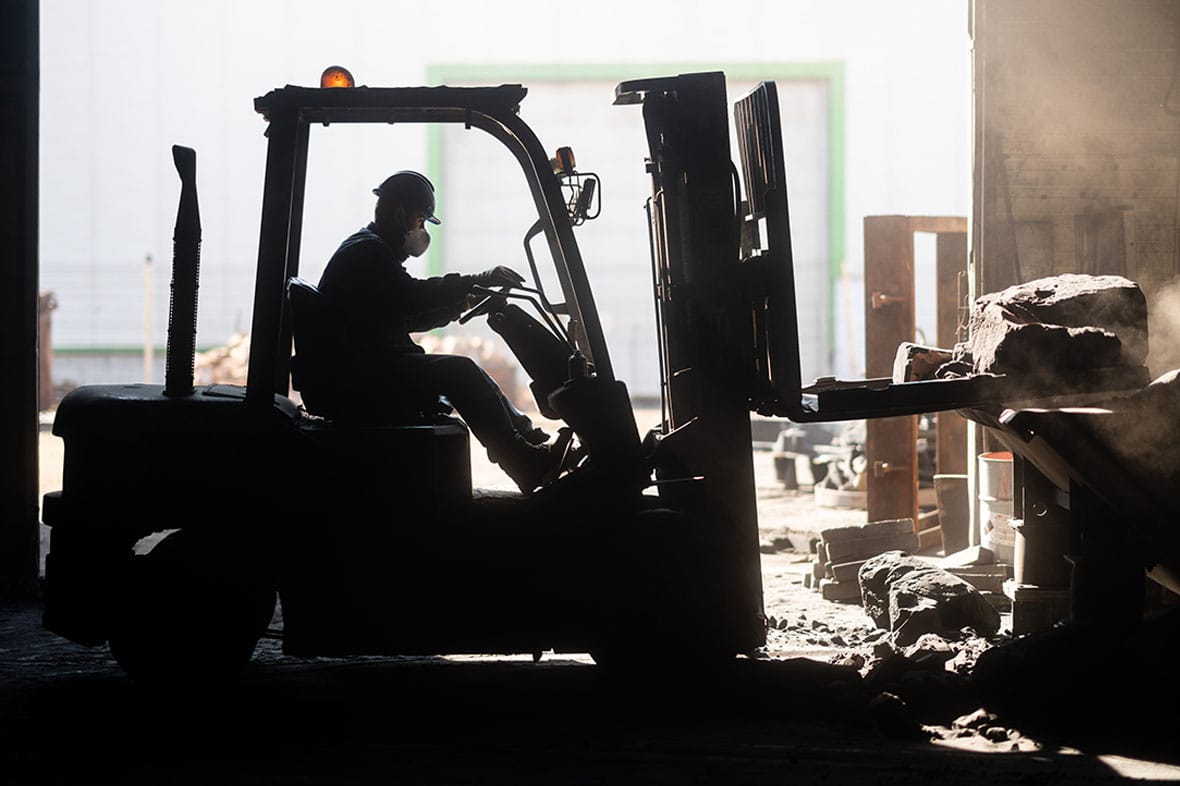
You arrive at a busy construction site in Los Angeles expecting another routine workday. Within moments, a forklift carrying heavy materials tips, collides with nearby workers, or drops its load, leaving you with serious injuries. Between medical care, missed work, and conversations with insurance companies, determining who is responsible is fairly complex yet crucial for your recovery.
At Artemis Law Group, we help injured clients throughout Los Angeles and Southern California understand how fault is determined after forklift accidents and what options may be available when multiple parties contribute to a construction site injury.
Who may bear liability in a forklift accident in Los Angeles?
Construction site forklift accidents often involve more than one potentially responsible party. While workers’ compensation may provide benefits after a workplace injury, separate claims against negligent third parties may also be available. A thorough legal investigation helps identify every party whose actions or omissions contributed to the accident.
Liability may potentially rest with one or more of the following parties:
- The forklift operator who acted negligently
- A contractor that failed to maintain a safe worksite
- A subcontractor responsible for unsafe equipment operation
- The company responsible for forklift maintenance or repairs
- The forklift manufacturer if a defective component contributed to the accident
- A property owner whose hazardous conditions increased the risk of injury
- An equipment rental company that supplied unsafe machinery

How to determine fault in a forklift accident on Los Angeles construction sites
Reviewing accident scene evidence
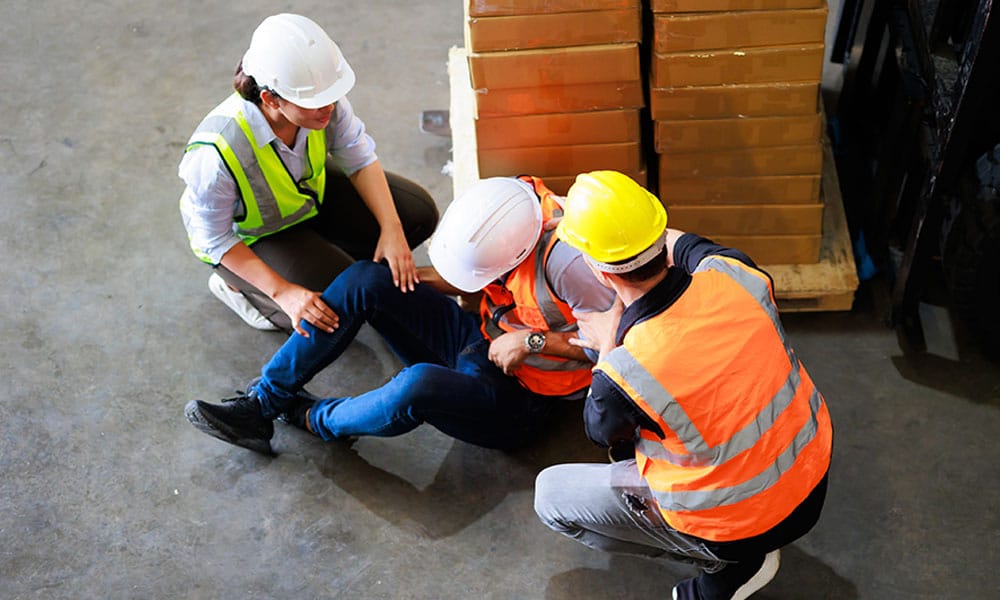
Determining fault begins with examining the accident scene as thoroughly as possible. Photographs, surveillance footage, equipment placement, skid marks, debris patterns, and witness statements can help recreate how the incident occurred. Construction sites change quickly as work progresses, making early evidence collection particularly valuable.
Examining equipment maintenance and inspection records
Forklifts require regular maintenance to operate safely. Maintenance logs, repair records, and inspection reports may reveal whether mechanical failures, worn components, hydraulic issues, or neglected servicing contributed to the accident. If a preventable equipment defect played a role, liability may extend beyond the immediate employer or operator.
Evaluating operator training and safety compliance
Forklift operators should receive appropriate training and follow established workplace safety procedures. Reviewing training records, certifications, safety policies, and site protocols helps determine whether the operator was properly qualified and whether required safety practices were followed. Failure to provide adequate instruction or to enforce safety standards may contribute to determining fault.
Investigating construction site management
Construction sites throughout Los Angeles frequently involve general contractors, subcontractors, suppliers, and equipment operators working simultaneously. Investigators evaluate whether site supervisors properly coordinated traffic patterns, designated equipment routes, enforced safety rules, and addressed known hazards. Poor site management can increase the risk of forklift collisions.
Analyzing equipment design and manufacturing issues
Not every forklift accident results solely from human error. Investigators may examine whether the equipment contained defective parts, lacked appropriate safety features, or failed even when operating normally. Engineering evaluations, manufacturer specifications, and recall information may help determine whether a product defect contributed to the incident.
Reviewing applicable safety regulations
Federal and California workplace safety regulations establish standards for forklift operation, training, inspections, and hazard prevention. Reviewing compliance with applicable regulations helps identify whether safety violations may have contributed to the accident. While a regulatory violation does not automatically establish liability, it may provide evidence when evaluating fault.
Assessing witness testimony and expert analysis
Independent witnesses often provide valuable perspectives on equipment movement, operator conduct, and workplace conditions. When necessary, accident reconstruction specialists and other experts analyze physical evidence, industry standards, and technical data to develop a clearer understanding of how the incident unfolded and identify contributing factors.
Protect your interests after a Los Angeles forklift accident
After a forklift accident, identifying every potentially responsible party is essential to protecting your legal interests and maximizing recovery. Because construction site accidents often involve multiple companies, overlapping responsibilities, and complex evidence, a careful investigation can make a meaningful difference in understanding how fault is determined.
At Artemis Law Group, we represent clients throughout Los Angeles, Woodland Hills, and surrounding Southern California communities. We offer proactive, strategic guidance while protecting your rights at every stage of the legal process. If you have questions about liability after a forklift accident, schedule your consultation for a case review today.