

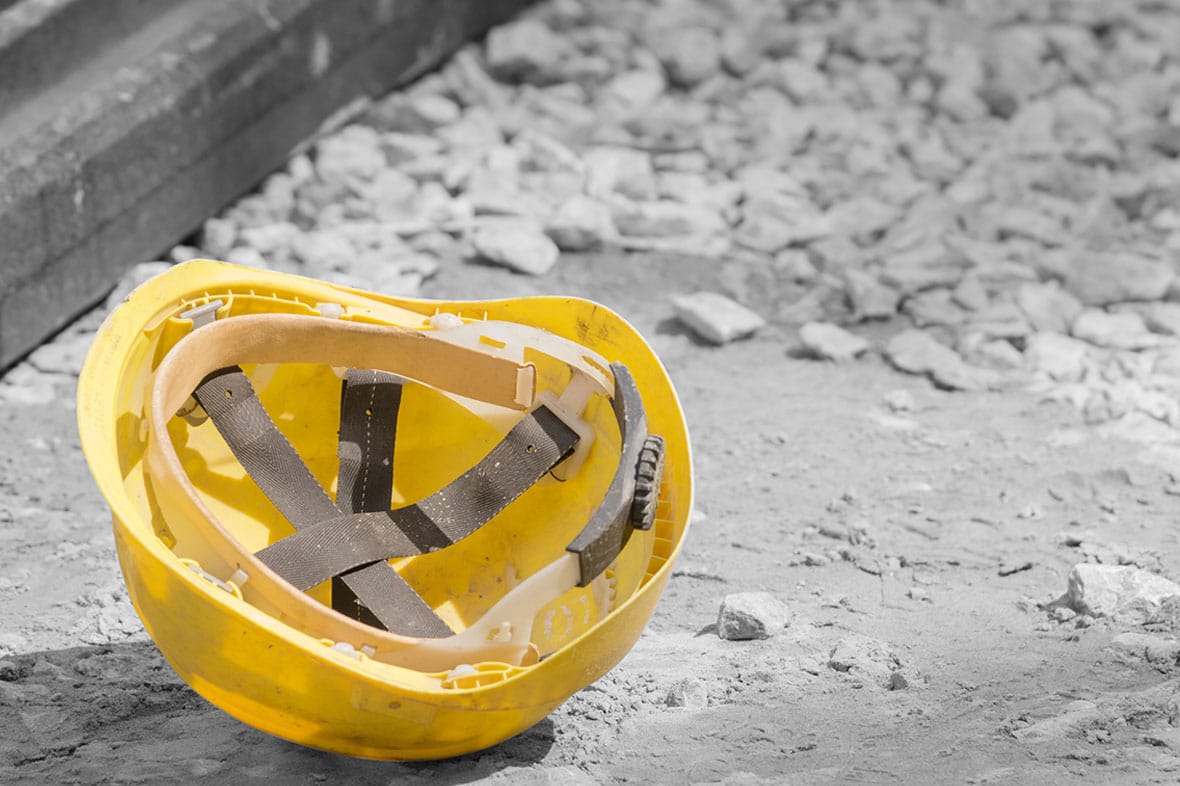
A traumatic brain injury (TBI) can upend your life even without a visible wound. Following a construction accident, you may experience persistent headaches, memory lapses, dizziness, fatigue, or noticeable changes in mood and personality. Some symptoms surface immediately, while others emerge gradually over days or weeks. Because these injuries can affect your health, career, relationships, and day-to-day independence, thorough documentation is critical from the start.
If you suffered a traumatic brain injury on a San Diego construction site, the evidence you gather and preserve may significantly influence your ability to pursue the financial support you deserve. Artemis Law Group lays out everything you need to know.
How TBIs happen on construction sites
Construction workers encounter a range of hazards capable of causing serious head trauma, including:
- Falls from roofs, scaffolding, or ladders
- Falling tools, materials, or debris
- Crane and heavy-equipment accidents
- Vehicle collisions
- Structural collapses
- Explosions or electrical incidents
- Defective safety equipment
A TBI does not always require a direct blow to the head. A sudden, forceful jolt can cause the brain to shift inside the skull, resulting in a concussion or a more severe injury. Below, we outline how to document your injury and pursue damages in San Diego.
How to document and recover damages in San Diego
Seek medical care and document your symptoms
Your health is the immediate priority. Seek medical attention after any significant impact, even if you feel relatively fine in the aftermath. A prompt evaluation establishes an early medical record that connects your symptoms to the construction accident.
Be thorough when describing your condition to your provider. Report every symptom, including those that may seem minor or unrelated, nausea, blurred vision, light sensitivity, difficulty concentrating, irritability, disrupted sleep, depression, or trouble finding words. Attend all follow-up appointments and comply with your treatment plan. Gaps in care can give an insurer grounds to argue that your condition was not serious or had already resolved.
Keeping a daily symptom journal is also valuable. Note your pain levels, memory difficulties, emotional shifts, activities you have had to forgo, and the ways the injury is affecting your work and home life. People close to you can contribute their own observations about changes in your behavior or capabilities.

Preserve evidence from the construction site
Conditions at an active construction site can change rapidly. Equipment gets repaired, debris is cleared, and hazards are corrected before anyone documents them. If it is safe to do so, photograph or record:
- The location where the accident occurred
- Missing barriers, guardrails, or warning signs
- Scaffolding, ladders, tools, or machinery involved in the incident
- Your personal protective equipment
- Visible injuries and any damaged clothing or gear
Write down your account of what happened while the details are still clear. Collect the names and contact information of any witnesses, and report the accident to your employer without delay. Hold onto incident reports, text messages, emails, work orders, safety records, pay stubs, and any communications with insurance representatives.
An attorney may also send formal preservation notices directing relevant parties to retain materials that could prove important, including surveillance footage, inspection logs, equipment data, and training records, before they are altered or discarded.
Identify every potential source of recovery
If you were injured while performing your job duties, California workers’ compensation may cover medical treatment and disability benefits without requiring you to prove your employer was at fault.
That said, San Diego construction projects often involve multiple companies operating on the same site. If a party other than your direct employer contributed to the accident, you may also have grounds for a third-party personal injury claim. Potentially responsible parties could include:
- General contractors or subcontractors
- Property owners
- Equipment manufacturers
- Equipment rental or maintenance companies
- Architects, engineers, or other site professionals
- Negligent drivers
Workers’ compensation and third-party claims operate under different rules and offer different types of benefits. They must also be carefully coordinated, since a workers’ compensation insurer may have reimbursement rights against a portion of any third-party recovery.
Document the full value of your damages
A brain injury claim should reflect far more than your initial emergency room visit. Depending on the type of claim and the evidence available, recoverable losses may include:
- Past and future medical treatment
- Neurological care and rehabilitation
- Cognitive, occupational, or speech therapy
- Lost income and reduced earning capacity
- Home care or household assistance
- Physical pain and emotional suffering
- Loss of enjoyment of life
- Permanent disability
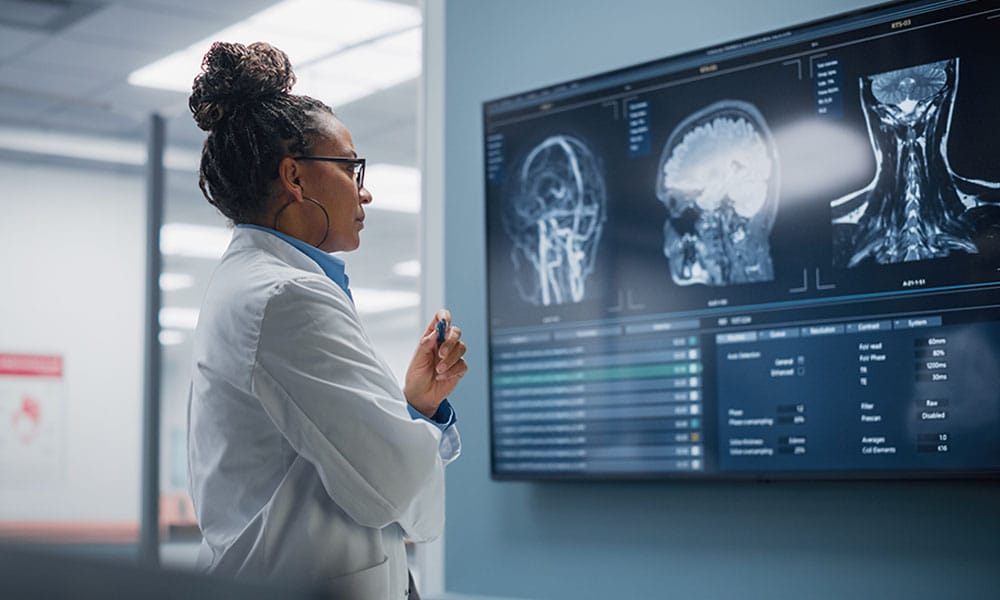
Medical opinions, employment records, tax documents, expert evaluations, and testimony from those who know you well can all help demonstrate the lasting impact of your injury.
Protect your future after a construction-site TBI
You should not have to navigate a complicated construction accident claim while simultaneously adjusting to the effects of a brain injury. Artemis Law Group understands both construction law and personal injury matters arising on job sites, enabling our attorneys to examine project relationships, identify all potentially responsible parties, and pursue compensation that reflects the true scope of your losses.
Contact Artemis Law Group to schedule a consultation with a San Diego construction accident attorney and discuss your legal options.